
By EIV Diagnostics · August 8, 2026
Pediatric Blood Draw: What Parents Need to Know
Learn how to prepare for your child's pediatric blood draw. Discover tips for keeping them calm and hydrated for a smoother experience.
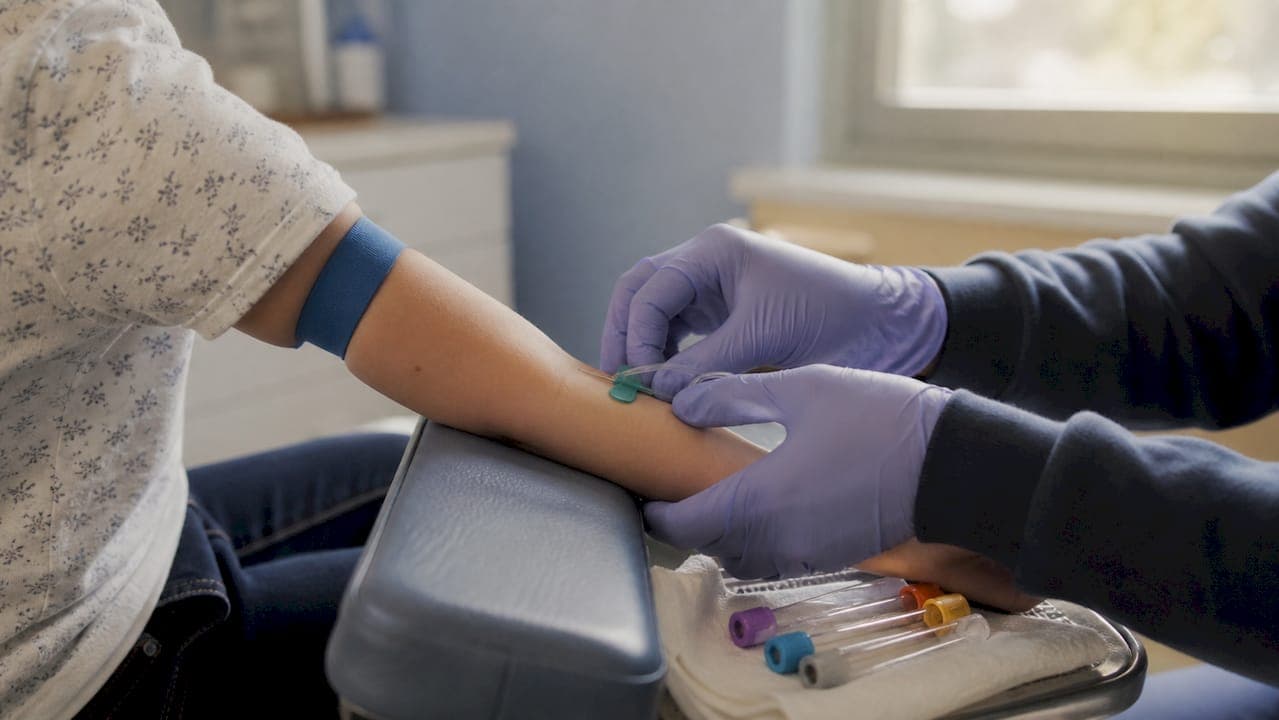
A pediatric blood draw is a routine medical procedure where a small blood sample is collected from a child, usually from a vein in the arm or hand, to help a doctor diagnose, screen for, or monitor a health condition. The single most important thing you can do before the appointment: keep your child well-hydrated (unless fasting is required) and stay calm yourself, because children read parental anxiety faster than any monitor can.
Before you leave the house:
- Pack these: insurance card or lab order, a list of current medications, a comfort object (stuffed animal, favorite toy), a snack and water for after the draw, and a small reward or distraction (tablet, book, stickers).
- Hydration or fasting: MedlinePlus guidance confirms that if fasting is not required, drinking water beforehand makes veins easier to find. If fasting is required, water is usually still allowed and actively encouraged.
- Ask about numbing: call ahead and ask whether a topical numbing cream for blood draw is available. Many labs offer it but won’t apply it unless you request it in advance.
The procedure is safe and performed daily across thousands of U.S. pediatric labs. If you notice prolonged bleeding, swelling, or signs of an allergic reaction to the bandage tape afterward, contact your child’s pediatrician.
Key Takeaways
A well-prepared, hydrated child seen by a pediatric-trained phlebotomist who uses numbing cream and distraction will almost always have a faster, less frightening blood draw than one who arrives unprepared.
| Point | Details |
|---|---|
| Hydrate unless fasting | Water before the draw makes veins easier to find and reduces multiple attempts. |
| Request numbing cream early | Topical anesthetic must be applied 30–60 minutes ahead; call the lab the day before. |
| Ask for a Child Life Specialist | CLS interventions cut procedure time from 5 minutes to 3 minutes and reduced high fear scores from 38.7% to 17.3%. |
| Match prep to the child’s age | Toddlers need a one-sentence heads-up right before; school-age children benefit from 1–2 days’ notice. |
| EIV Diagnostics mobile option | EIV Diagnostics offers mobile phlebotomy to your home, removing the waiting room entirely for anxious children. |
Table of Contents
- What is a pediatric blood draw and why does your child need one?
- How a pediatric blood draw is actually done
- Age-specific preparation and your pre-visit checklist
- How clinics reduce pain and fear during the procedure
- What to expect during and right after the appointment
- Where can you get a pediatric blood draw in the U.S.?
- Clinical evidence and best practices that support comfortable draws
- Why the waiting room is often the hardest part
- Skip the waiting room with EIV Diagnostics mobile phlebotomy
- Useful sources
- FAQ
What is a pediatric blood draw and why does your child need one?
A pediatric blood draw, or pediatric venipuncture when a needle enters a vein, collects a blood sample for children that a laboratory then analyzes. Capillary collection via a finger prick or heel stick is the alternative for smaller volumes or very young infants. The clinical term “venipuncture” simply means puncturing a vein, and it is the method most labs prefer for tests that require larger or more precise samples.
Physicians order pediatric lab tests for three broad reasons: to diagnose a suspected condition, to screen for something before symptoms appear, or to monitor a known condition over time. Common orders you will see include a complete blood count (CBC) to check for anemia or infection, a basic or comprehensive metabolic panel to assess kidney and liver function, a lead level screen (standard in toddlers), and a fasting glucose to evaluate blood sugar.
Turnaround time varies. Routine panels typically return within 24–48 hours; urgent or STAT orders can come back within a few hours. Your child’s doctor or the lab will tell you whether the order is routine or urgent when they place it.
How a pediatric blood draw is actually done
The two main collection methods
Venipuncture draws blood from a vein, usually the antecubital fossa (the soft inner elbow), the back of the hand, or the forearm. It is preferred for most pediatric collections because it tends to cause less discomfort than repeated capillary sticks and yields a cleaner sample for most tests.
Capillary collection (finger prick or heel stick) is used when only a tiny volume is needed or when venous access is genuinely difficult. Heel sticks are standard for newborn screening in the hospital. Finger pricks are common for quick point-of-care glucose or hemoglobin checks.
Equipment you will see in the room
- A tourniquet (the phlebotomist may call it a “tight hug band” for younger children).
- A butterfly needle set, typically 23–25 gauge for children, connected to collection tubing.
- Vacutainer tubes color-coded by test type, or a small syringe for infants.
- Topical anesthetic cream or a vibration/cold device like Buzzy® to reduce needle sensation.
- Gauze, medical tape, and a bandage.
What to say at each age
The right words matter as much as the right equipment. Here are short, honest scripts:
- School-age (4–12): Give a day or two of notice per St. Louis Children’s Hospital guidance. “The doctor needs a tiny bit of your blood to check how your body is doing. It takes about as long as counting to ten.”
A successful draw shows a small flash of blood entering the tubing, then steady flow into the collection tube. If flow stops or the child’s vein collapses, a trained phlebotomist will release the tourniquet, apply pressure, and reassess before a second attempt.
Age-specific preparation and your pre-visit checklist
Infants (under 12 months)
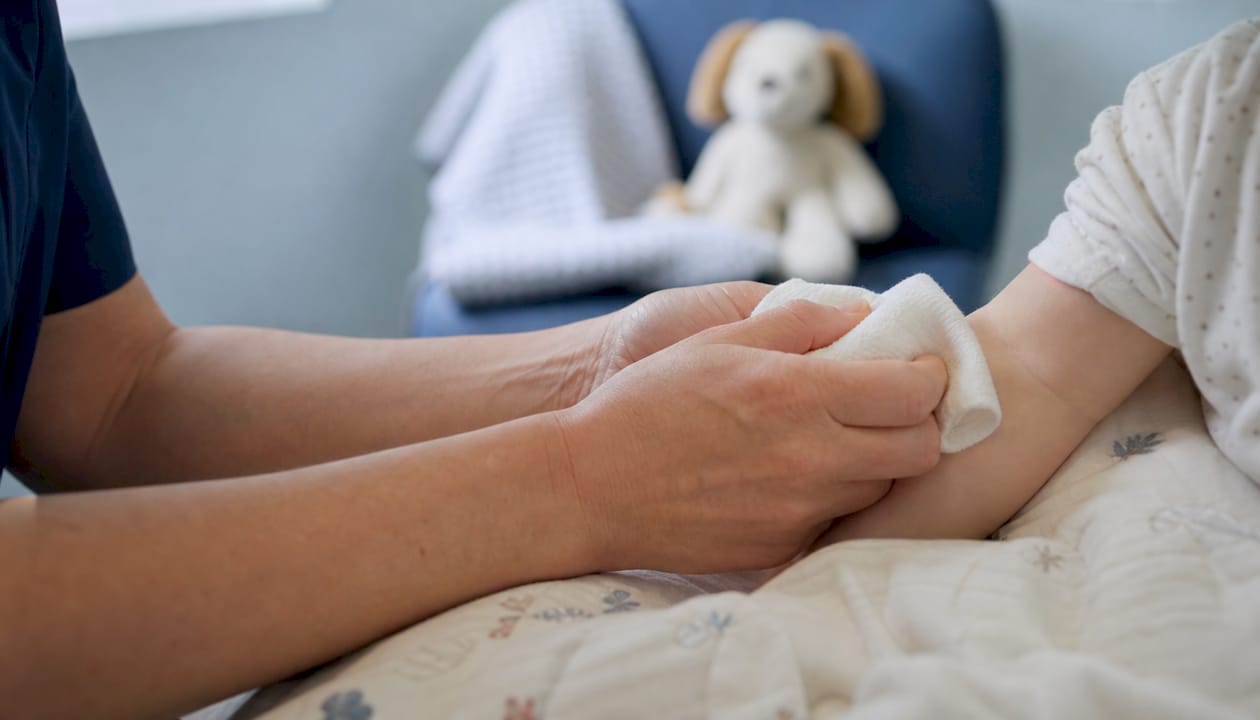
Warmth is your best tool. Warming the collection site with a warm cloth for a few minutes before the draw can increase blood flow rate up to sevenfold in infants, which reduces the number of attempts needed. Schedule the appointment after a feeding so the baby is not hungry and irritable. The phlebotomist may use a heel stick or a small butterfly needle in a scalp or hand vein.
Toddlers (1–3)
Keep explanations to one or two sentences, delivered right before you walk in. Bring a comfort object. The most effective hold for this age is “back to tummy”: the child sits on your lap facing away, and you wrap your arms around them. This limits movement without a full restraint and increases cooperation significantly.
School-age children (4–12)
Tell them a day or two ahead so they can ask questions and process. Practice a coping strategy together: slow deep breaths, counting to ten, or squeezing a stress ball. Offer real choices: “Do you want to watch or look away? Do you want me to hold your other hand?” Choices give children a sense of control, which lowers resistance.
Teens (13+)
Privacy matters at this age. Let them answer the intake questions themselves. Explain what the test is actually measuring and when results will come back. Offer a phone or tablet for distraction. Some teens prefer a parent out of the room entirely; follow their lead.
Pre-visit checklist
- Photo ID and insurance card (or lab order for direct-access testing)
- List of current medications and supplements
- Comfort object or favorite small toy
- Snack and water for immediately after
- Tablet, phone, or book for distraction
- Written questions for the phlebotomist or lab staff
Pro Tip: Call the lab the day before and ask two things: “Can you apply numbing cream before the draw?” and “Is a Child Life Specialist available?” Both requests take 30 seconds and can dramatically change the experience.
How clinics reduce pain and fear during the procedure
Clinical comfort measures
The most widely used tools for reducing pain during a child blood test include:
- Comfort positioning: — the “back to tummy” hold for toddlers, or side-by-side seating for older children.
The phlebotomist’s role and the Poke Plan
Michigan Medicine’s pathology team describes a six-part Poke Plan that pediatric labs use to structure every draw: gathering the child’s preferences, choosing a distraction, confirming positioning, coaching the parent, selecting words carefully, and guiding recovery. A phlebotomist who introduces themselves, uses kid-friendly metaphors, and offers the child a choice (watch or look away) is not just being friendly. That rapport directly reduces perceived pain and struggle.
Child Life Specialists
A Child Life Specialist (CLS) is a trained healthcare professional who uses medical play, coping rehearsal, and psychological preparation to help children through procedures. A prospective cohort study found that CLS interventions during outpatient blood draws cut median procedure room time from 5 minutes to 3 minutes and reduced high fear scores from 38.7% to 17.3% (P-value significant). Caregiver satisfaction also improved.
Not every lab has a CLS on staff, but hospital-based pediatric labs often do. Ask when you book.
Pro Tip: When you arrive, say exactly this: “My child has had a difficult draw before. Can we use numbing cream and is a Child Life Specialist available today?” That sentence flags your child’s needs before anyone picks up a needle.
What to expect during and right after the appointment
- The draw (1–5 minutes): — The needle is inserted, blood fills the collection tubes, and the needle is removed. Most children describe it as a quick pinch or pressure.
When to call the doctor after a draw
Per Nationwide Children’s Hospital guidance, contact your child’s provider if you notice:
- Bleeding that does not stop after 10 minutes of firm pressure
- Significant swelling, bruising, or a hard lump at the site
- Signs of an allergic reaction to the bandage tape (redness, hives, itching beyond the bandage edge)
- Fainting that does not resolve quickly with lying down and a snack
Where can you get a pediatric blood draw in the U.S.?
Your main options
Hospital outpatient pediatric lab: The highest concentration of pediatric-trained phlebotomists and the most likely place to find a Child Life Specialist. Wait times can be longer, and parking is often a challenge.
Pediatrician’s office: Convenient and familiar to the child. Staff know your child’s history. Volume limitations mean some offices send complex panels to a reference lab, adding a day to turnaround.
Standalone patient service centers (PSCs): Widely available and often faster for routine draws. Pediatric training varies by location, so call ahead and ask specifically whether staff are experienced with children.
Mobile phlebotomy (home or office draw): A certified phlebotomist comes to you. No waiting room, no unfamiliar environment, no parking. For children with severe needle anxiety or a history of traumatic draws, the familiar home setting can make a significant difference. Mobile phlebotomy services vary in pediatric experience, so confirm the phlebotomist has worked with children before booking.
What to ask when you book
- Does your staff have experience drawing blood from children under age 5?
- Can you apply numbing cream before the draw? How early should we arrive?
- Is a Child Life Specialist available, or can one be requested?
- What is your policy on the number of attempts before escalating?
- Do you accept our insurance, or can we self-pay? What is the fee for the mobile visit?
For families who want to arrange testing without a physician’s order, direct-access lab testing is available at select labs, including EIV Diagnostics.
Clinical evidence and best practices that support comfortable draws
The strongest evidence base for pediatric blood draw comfort comes from two sources: WHO/NCBI procedural guidance and published CLS intervention data.
Venipuncture preference and warming: WHO guidelines confirm venipuncture is preferred for most pediatric collections, and that warming the site can increase infant blood flow up to sevenfold. Practically, a warm compress applied for 3–5 minutes before the draw reduces failed attempts.
Equipment and attempt limits: UCHealth pediatric venipuncture protocols recommend 23-gauge butterfly sets for infants and small children, limiting attempts to two per phlebotomist before escalating, and documenting blood volumes drawn from infants to prevent iatrogenic anemia.
Child Life Specialist outcomes (summary table):
| Outcome | Without CLS | With CLS |
|---|---|---|
| Median procedure room time | 5 minutes | 3 minutes |
| High child fear score rate | 38.7% | 17.3% |
| Statistical significance | — | P-value significant |
Source: PMC prospective cohort study
What parents can request based on this evidence:
- Ask for a warm compress before the draw, especially for infants.
- Request a 23-gauge butterfly needle if your infant has small veins.
- Ask the lab’s policy on maximum attempts before calling a supervisor.
- Request a CLS or a phlebotomist trained in pediatric comfort techniques.
Why the waiting room is often the hardest part
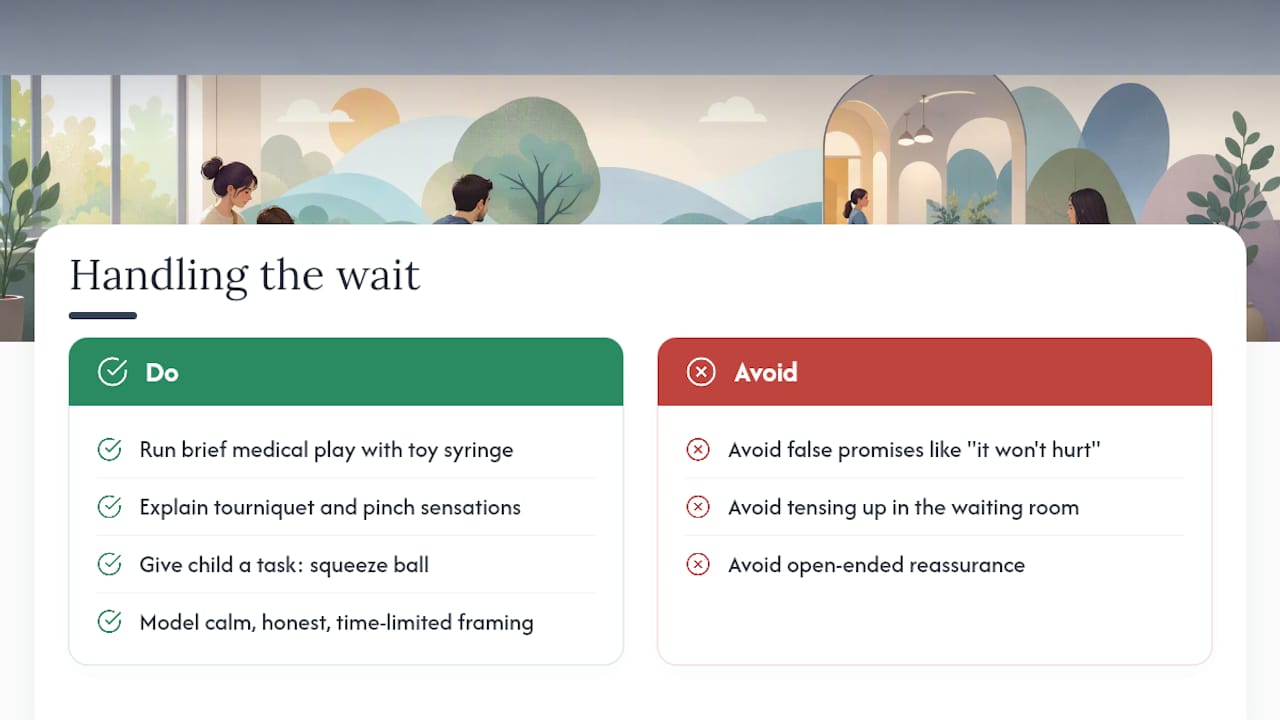
The clinical steps of a pediatric blood draw are genuinely brief. What makes the experience hard for most children is not the needle itself but the anticipation: the unfamiliar room, the smell of antiseptic, the wait. Research on Child Life Specialists confirms this indirectly. Cutting procedure time from 5 to 3 minutes matters, but the bigger effect is what happens before the needle appears. A CLS who runs a quick “medical play” session with a toy syringe, explains what the tourniquet will feel like, and gives the child a job to do (squeeze this ball, count to ten) reframes the whole event.
Parents underestimate how much their own body language contributes. If you tense up in the waiting room, your child notices. The most useful thing a caregiver can do is not distract the child with false promises (“it won’t hurt at all”) but model calm honesty: “It will pinch for a second, and then it’s done, and we’re getting ice cream.” That framing is honest, time-limited, and ends on something concrete. Children can tolerate brief discomfort far better than open-ended uncertainty.
Skip the waiting room with EIV Diagnostics mobile phlebotomy
For a child who has had a traumatic draw before, or simply one who does better in familiar surroundings, the waiting room is the problem, not the needle. EIV Diagnostics brings a certified phlebotomist directly to your home or office in the Fresno, CA area, so your child’s draw happens in their own space, on their own couch, with their own comfort objects within reach.
Every draw is handled by a trained phlebotomist and processed through EIV Diagnostics’ board-certified pathology team, with results routed back to your provider or directly to you for clinical pathology services. EIV Diagnostics works with patients who have a physician’s order, and with self-pay patients who want to order tests directly. No referral required.
To book a pediatric home draw or ask whether your child’s specific test panel is available through mobile collection, visit the mobile phlebotomy booking page or contact EIV Diagnostics directly. Bring the lab order, your child’s insurance card or payment method, and a comfort object. The phlebotomist handles the rest.
Useful sources
The following sources were used throughout this guide. Each one is worth bookmarking for a specific need:
- Paediatric and neonatal blood sampling - WHO Guidelines on Drawing Blood - NCBI Bookshelf
- Child Life Specialist interventions in outpatient blood drawing labs (PMC article)
- Preparing Your Child for a Blood Draw
- How to prepare your child for a lab test - MedlinePlus
- It’s more than just a blood draw — Michigan Medicine pathology article
- Venipuncture pediatric procedural guidance (Health Alliance / UCHealth PDF)
- What to Expect When Your Child Needs a Blood Draw - Nationwide Children’s
FAQ
How is a pediatric blood draw actually performed?
A phlebotomist applies a tourniquet, selects a vein (usually in the inner elbow or back of the hand), inserts a small butterfly needle, and collects blood into color-coded tubes. The whole draw typically takes 1–5 minutes once the needle is placed.
Why don’t children get yearly bloodwork automatically?
Routine annual blood panels are not universally recommended for healthy children the way they are for adults. Pediatricians order blood tests based on specific clinical indications, developmental screening schedules (such as lead levels at ages 1 and 2), or symptoms, rather than as a default annual screen.
Can a 3-year-old have a blood draw, and how is it done differently?
Yes. For a 3-year-old, the phlebotomist typically uses a 23–25 gauge butterfly needle in a hand or antecubital vein, keeps the explanation to one or two sentences delivered right before the draw, and positions the child in a “back to tummy” hold on the caregiver’s lap to limit movement safely.
Does EIV Diagnostics offer pediatric blood draws at home?
EIV Diagnostics provides mobile phlebotomy to homes and offices in the Fresno, CA area, including for pediatric patients. A certified phlebotomist comes to you, and samples are processed by EIV Diagnostics’ board-certified pathology team with results delivered to your provider or directly to you.
Does numbing cream actually help for a child’s blood draw?
Yes. Topical anesthetic creams such as EMLA or LMX4 numb the skin when applied 30–60 minutes before the draw. You must request this in advance when booking, as most labs will not apply it automatically.
Recommended
- How to Get Blood Work Done Without a Doctor | EIV Diagnostics | EIV Diagnostics
- Mobile Phlebotomy | EIV Diagnostics | EIV Diagnostics
- Clinical Pathology Labs: What Patients Need to Know | EIV Diagnostics | EIV Diagnostics
- Molecular Diagnostic Testing: What Patients and Clinicians Need to Know | EIV Diagnostics | EIV Diagnostics