
By EIV Diagnostics · August 31, 2026
15–20 Min Mobile Phlebotomy in Central Valley With In House Pathology
At home lab draws in the Central Valley. Phlebotomists do 15–20 minute visits; in house pathology and pathologist review shorten turnaround.
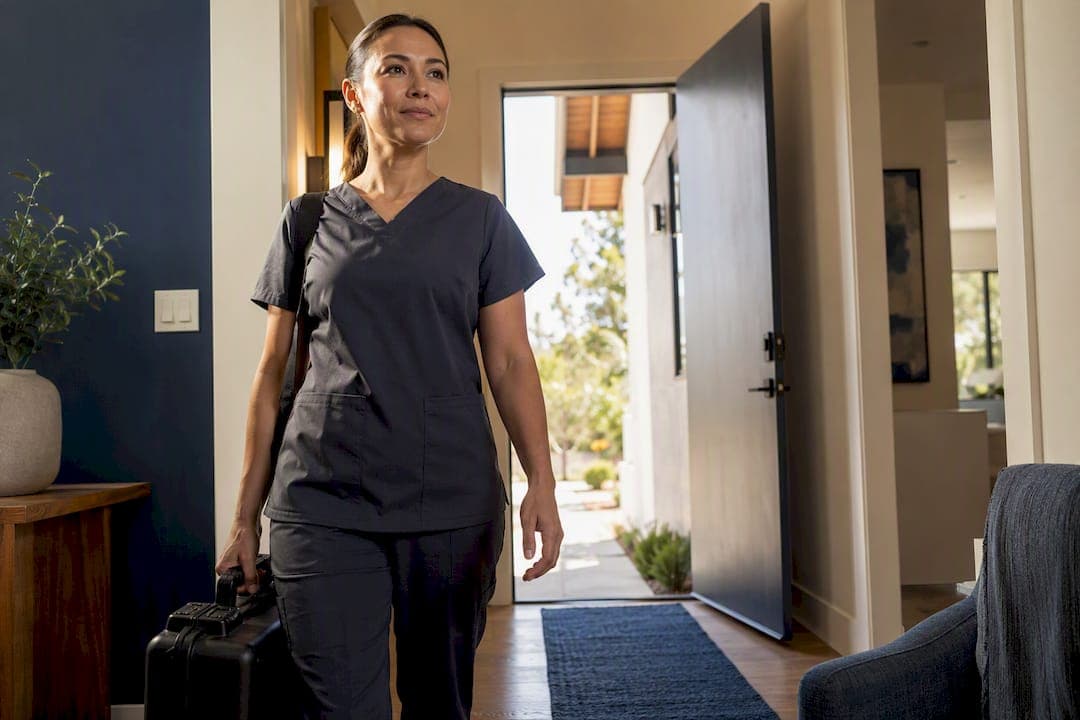
A trained phlebotomist comes to your home, office, or care facility to draw your blood, so you skip the drive, the parking, and the waiting room entirely. The biggest mobile phlebotomy benefit is control: you pick the time and place, and the sample still moves through the same lab pipeline, chain of custody, and pathologist review as a clinic draw.
TL;DR:
- Mobile phlebotomy is especially valuable for seniors, homebound patients, and individuals with mobility or sensory sensitivities, providing convenience and reduced anxiety.
- The reliability of at-home blood draws matches that of clinic visits, provided licensed phlebotomists follow standard procedures and samples are transported properly to certified labs.
- Costs break down into separate mobile visit and lab testing fees, with insurance coverage varying and patients needing to verify in-network status and prior authorizations beforehand.
- Booking is straightforward: confirm your requisition, choose a schedule, and have your ID and medications ready for a quick, 15-20 minute draw brought to your home or facility.
- Integrated lab operations that control both collection and analysis streamline the process, reducing delays and ensuring faster, more reliable results.
Table of Contents
- The Core Advantages Of Mobile Phlebotomy
- Who Gets The Most Value From At-Home Blood Draws
- How Safe And Reliable Is An At-Home Blood Draw?
- How Mobile Phlebotomy Works From Booking To Results
- What Mobile Phlebotomy Costs And How Insurance Fits In
- Why Integrated Lab Operations Change The Equation
- Booking A Mobile Draw With EIV Diagnostics
- Sources
- FAQ
The Core Advantages Of Mobile Phlebotomy
The convenience of mobile phlebotomy comes down to time you get back. A typical clinic visit eats an hour or two once you factor in driving, parking, and sitting in a waiting room. A home visit compresses that into a 15 to 20 minute appointment on your own schedule, often with morning or evening windows that fit around work or school.
Comfort matters just as much as time. A living room couch beats a fluorescent-lit exam chair, especially for kids or anyone with sensory sensitivities. Some health systems report that pediatric and sensory-sensitive patients cooperate better and show less anxiety when blood is drawn in a familiar home environment, which can mean fewer failed attempts and less trauma around future draws.
There’s also a real infection-control angle. Mobile draws were used to support large-scale testing during infectious outbreaks specifically because they kept people out of crowded clinical facilities where exposure risk runs higher. That same logic applies year-round for anyone who is immunocompromised or simply trying to avoid a waiting room full of sick patients.
Here’s the full picture of what mobile blood draw services deliver:
- No travel, no parking, no waiting room exposure
- Flexible scheduling windows that fit your day
- A calmer setting that improves cooperation for kids and anxious patients
- Lower infection risk compared to a shared clinical space
- Faster path to results, which speeds up clinical decisions
Pro Tip: If you’re monitoring a chronic condition, ask your provider to set up a recurring mobile draw schedule. It removes the friction that causes people to skip routine labs.
Who Gets The Most Value From At-Home Blood Draws
Mobile phlebotomy solves a specific problem: getting a needle into a vein without making the patient travel. That makes it especially valuable for certain groups.
- Seniors and homebound patients who find transportation difficult or risky
- Mobility-limited individuals for whom a car ride and a waiting room chair are genuine obstacles
- Anxious or sensory-sensitive patients, including many children, who do better outside a clinical setting
- Caregivers managing labs for a family member alongside a full schedule
- Busy professionals who can’t burn a lunch hour on a lab visit
Typical scenarios include pre-operative testing, routine monitoring for chronic conditions like diabetes or thyroid disease, and pediatric draws where a calm environment changes the outcome. Assisted living facilities, corporate wellness programs, and community health outreach events increasingly build mobile draws into their routine operations, too.
How Safe And Reliable Is An At-Home Blood Draw?
The honest answer: an at-home draw is only as reliable as the phlebotomist doing it and the lab processing the sample afterward. Licensed phlebotomists follow the same venipuncture technique, labeling protocol, and chain-of-custody rules whether they’re standing in a clinic or your kitchen. Kaiser Permanente describes its mobile phlebotomy programs as standard phlebotomy performed by licensed staff specifically to give homebound patients the same access as anyone walking into a draw site.
Samples still need proper temperature control and timely transport to a certified lab, and Cleveland Clinic notes that laboratory processing and patient-portal result delivery are standard regardless of where the draw happened. Turnaround expectations run similarly to clinic draws for most panels.
Before booking, ask a provider these questions:
- Is the phlebotomist licensed or certified?
- Does a board-certified pathologist review results?
- What lab accreditation does the facility hold?
- How are samples labeled, stored, and transported?
- Where and how quickly will results appear?
How Mobile Phlebotomy Works From Booking To Results
Getting started is simpler than most people expect, but a few steps matter for a smooth visit.
- Confirm your requisition. If a doctor ordered your labs, make sure the requisition is sent to the mobile provider ahead of time, or verify it in a provider portal. If you’re ordering direct-to-consumer testing yourself, confirm the mobile team can accept that specific test kit or order type before your appointment.
- Book your window. Most programs offer scheduling within a few days, and Intermountain Health reports most at-home appointments are scheduled within a few days.
- Have your ID and paperwork ready. The phlebotomist will verify your identity and confirm the ordered tests before drawing.
- The draw itself takes about 15 to 20 minutes. The phlebotomist brings all collection supplies and transports samples using temperature-controlled protocols to the lab.
- Check your results. Many panels post to a patient portal within 24 to 72 hours, depending on the tests ordered.
Pro Tip: Write down your current medications before the visit. It takes thirty seconds and can prevent a callback later if the lab needs clarification.
What Mobile Phlebotomy Costs And How Insurance Fits In
Most mobile draws break into two separate charges: a mobile visit fee for the phlebotomist’s travel and time, plus the standard lab charges for whatever tests were ordered. That structure is worth understanding before you book, because the visit fee is sometimes billed separately from the lab work itself.
Insurance coverage varies quite a bit. Some plans cover the lab tests but treat the mobile draw fee as an out-of-pocket add-on; others require prior authorization or only cover in-network labs. A few practical steps protect you from surprise bills:
- Ask for an itemized estimate before the appointment
- Request a receipt you can submit to insurance if the visit isn’t billed directly
- Check whether an employer wellness program or health plan already covers mobile draws
- Confirm in-network status if you’re planning to bill insurance at all
Why Integrated Lab Operations Change The Equation
Most of the friction in healthcare doesn’t come from the needle. It comes from the handoffs: a requisition that doesn’t reach the right team, a sample that sits too long before transport, results that land in three different systems before anyone reads them. EIV Diagnostics runs mobile phlebotomy alongside in-house pathology, which cuts out several of those handoffs entirely.
When one lab controls both the collection and the analysis, board-certified pathologists review results without waiting on a courier service or a third-party lab’s queue. Before your visit, bring a photo ID, confirm your requisition reached the team, and have your medication list ready.
— EIV Diagnostics
Booking A Mobile Draw With EIV Diagnostics
EIV Diagnostics runs mobile phlebotomy for patients across Fresno, Clovis, Madera, and the surrounding Central Valley communities, serving anyone with a doctor’s order or a self-pay direct-to-consumer test request.
Booking works the way you’d expect: you schedule a visit, confirm which tests you need drawn, and a licensed phlebotomist comes to you. Your invoice typically separates the mobile visit fee from the lab testing charges, so ask for that breakdown up front if you plan to submit anything to insurance. If you’re covered by a health plan, verify in-network status and prior authorization requirements before your appointment to avoid a surprise bill.
Because EIV Diagnostics pairs mobile collection with in-house molecular pathology and board-certified pathologist review, your sample doesn’t bounce between separate companies before someone reads it. That’s the practical payoff of integrated lab operations: fewer handoffs, fewer delays, and a faster path from the draw to a result you can actually act on. Visit the mobile phlebotomy page to check availability and schedule your draw.
Sources
- At-home lab draws: get your blood work done without leaving the house
- Home phlebotomy services
- Blood tests - Cleveland Clinic
This article is general information, not a substitute for advice from a qualified doctor. Consult a qualified healthcare professional about your own circumstances before acting on anything here.
FAQ
How much does a mobile phlebotomist charge per draw?
Fees vary by provider and location, typically covering a separate mobile visit charge on top of standard lab testing costs. Ask for an itemized estimate before booking so you know exactly what’s billed for the visit versus the tests themselves.
What type of phlebotomist earns the most?
Phlebotomists with specialized certifications, hospital or lab-based experience, and mobile or home-draw expertise tend to command higher pay than entry-level clinic roles, since mobile work often demands more independent judgment and travel flexibility.
How do mobile phlebotomists get contracts with labs or clients?
Most mobile phlebotomists build client relationships through partnerships with independent labs, home health agencies, senior living facilities, and corporate wellness programs, often starting with a single lab like EIV Diagnostics that already has provider and patient demand.
How does insurance billing work for mobile phlebotomy?
Billing typically separates the mobile visit fee from the lab testing charges, and coverage depends on your plan’s rules for in-network labs and prior authorization. Always confirm your insurance covers both components before your appointment, since some plans only reimburse the lab work itself.
Are at-home blood draws as accurate as clinic draws?
Yes, when performed by a licensed phlebotomist following the same labeling, chain-of-custody, and transport protocols used in a clinic. The sample feeds into the identical laboratory workflow whether it’s collected at home or at a draw site.